

When diagnosed early, modern treatments can effectively prevent vision loss and, in many cases, even help restore sight. In this article, we discuss what diabetic retinopathy is and why early treatment plays a vital role in preserving healthy vision.
What Is Diabetic Retinopathy?
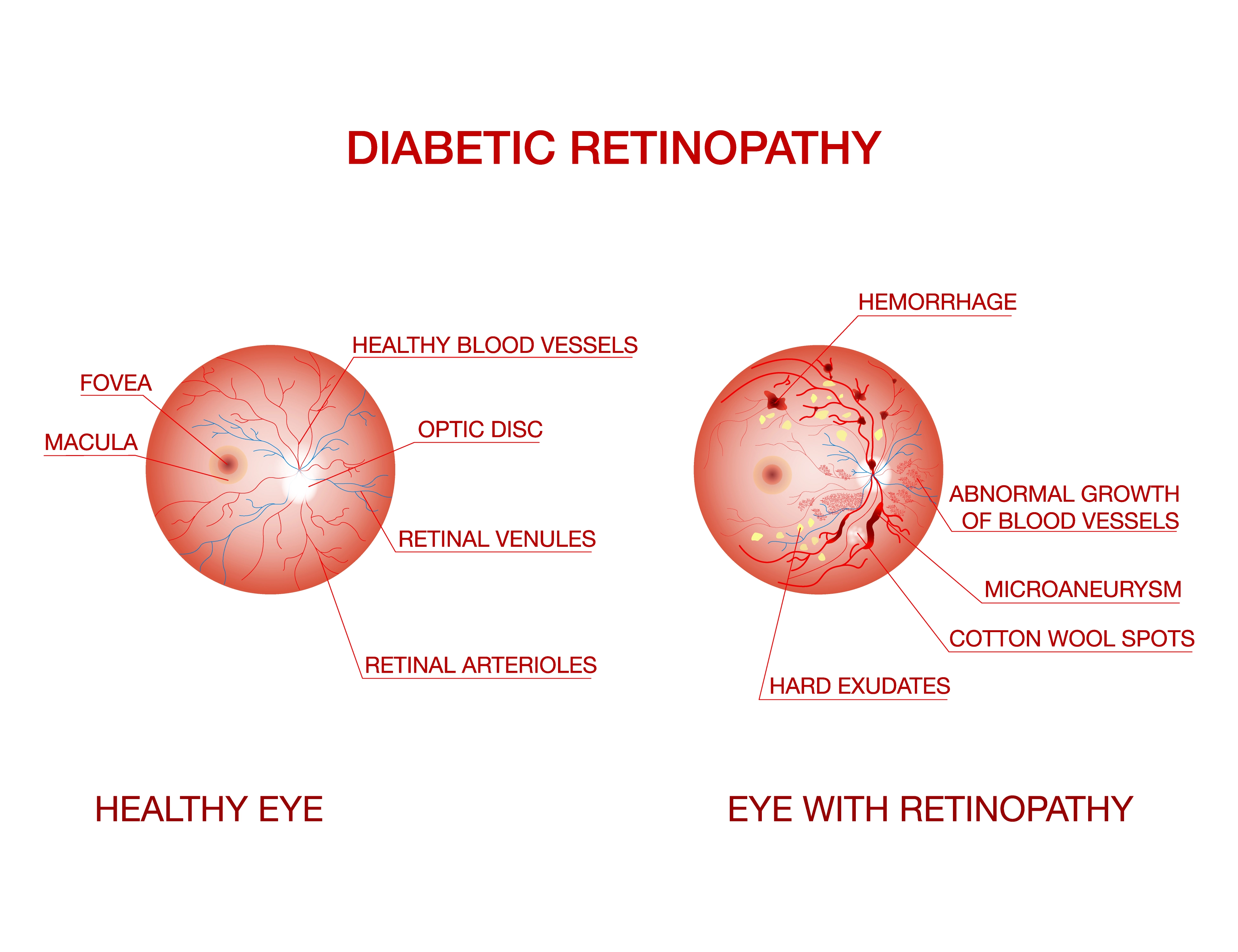
Diabetic retinopathy is an eye complication of diabetes where high blood sugar levels damage the tiny blood vessels in the retina. The retina is the light-sensitive layer at the back of the eye. When its blood vessels are damaged, they can swell, leak fluid, or even close off entirely. In early stages (called nonproliferative retinopathy), weakened vessels leak fluid into the retina. As the disease progresses to proliferative retinopathy, the retina grows new, abnormal blood vessels that can bleed or form scar tissue. If left untreated, these changes can lead to serious vision problems or blindness.
Symptoms and Screening
One reason diabetic retinopathy is dangerous is that early on, there are often no symptoms. You might have perfectly normal vision yet still have retinal damage. Some of the common warning signs – which may appear only after the disease has advanced – include:- Cloudy or blurry vision
- Trouble seeing at night or in dim light
- Dark spots or floaters in your field of vision
- Double vision or loss of side (peripheral) vision
Why Early Treatment Matters?
Treating diabetic retinopathy early makes a big difference. When retinopathy is mild, treatments are simpler and much more effective. Early treatment of vision problems can help stop vision loss. Catching retinal changes early means doctors can intervene before the damage becomes severe. If diabetic retinopathy is left untreated, it can cause “severe vision loss or even blindness.In other words, delayed treatment can result in permanent damage.Treatment Options
If your eye exam shows diabetic retinopathy, several treatments can protect your sight. The exact approach depends on the severity, but common options include:- Anti-VEGF Injections: These are medications (like Ranibizumab or Eylea) injected into the eye. They block abnormal blood vessel growth and reduce leakage
- Steroid Injections: Steroid drugs injected into the eye help to reduce inflammation and retinal swelling.
- Laser Photocoagulation: A laser beam seals off leaking blood vessels and shrinks abnormal ones on the retina. This can prevent further leakage or bleeding.
- Vitrectomy Surgery: In advanced cases with bleeding or scar tissue, a surgeon can remove the cloudy vitreous gel (with blood) inside the eye and replace it with a clear fluid. This allows the retina to lie flat again and can improve vision.
- All of these treatments have proven results: they prevent further vision loss and sometimes restore lost vision when used appropriately. The key is catching the problem early enough to apply these therapies effectively. In mild cases, close monitoring and better diabetes control may be enough, but once vision is affected, prompt treatment is critical.
Managing Diabetes to Protect Your Eyes
Beyond eye treatments, controlling your diabetes and overall health is key to preventing retinopathy from worsening. Although you can’t always prevent diabetic retinopathy, “regular eye exams, good management of your blood sugar and blood pressure can help stop vision loss.”. In practice, this means:- Control blood sugar and blood pressure: Follow your diabetes care plan (healthy eating, regular exercise, and any prescribed medications) to keep your glucose and blood pressure in the target range. Good HbA1C control slows retinopathy progression.
- Healthy lifestyle: Eat a balanced, diabetes-friendly diet and stay active. Avoid tobacco – smoking worsens blood vessel damage. These habits help your whole vascular system, including the eyes.
- Regular medical care: Keep all scheduled diabetes checkups and screenings (HbA1C tests, cholesterol, etc.) and follow your doctor’s advice. Comprehensive diabetes care (heart health, kidney monitoring, etc.) also benefits your eyes.
Take Action Now
If you have diabetes, don’t wait for symptoms schedule a dilated eye exam today (doctors recommend this at least once a year). Even if your vision seems fine, a simple exam can catch retinopathy early. If you notice any changes in vision (blurriness, floaters, or shadows), contact your eye doctor immediately. Check our site for guidelines on diabetic eye care, or leave a comment below if you have questions.Following your doctor’s advice and starting treatment promptly can save your vision. Share this article to help others with diabetes understand the importance of early eye care.